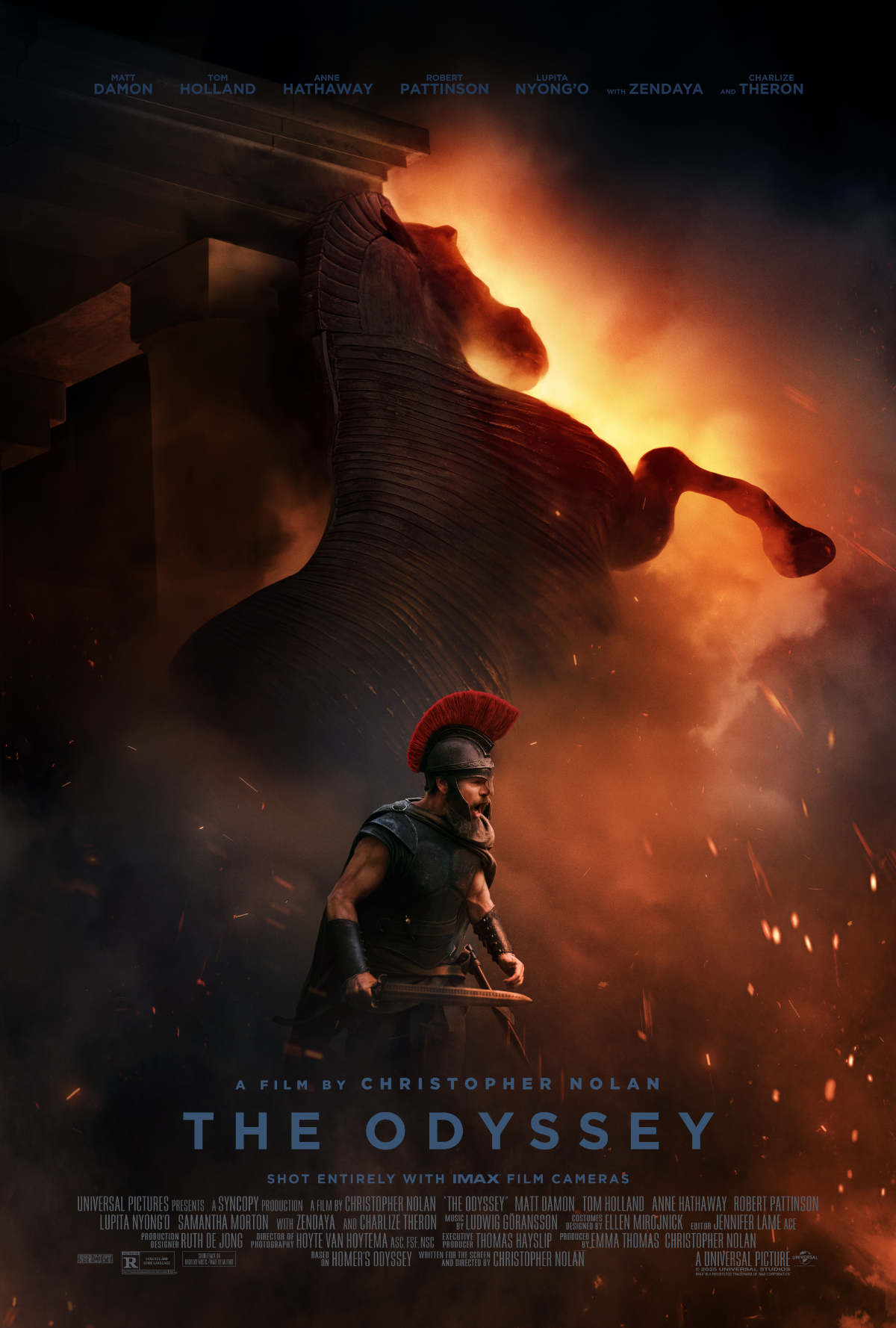
The Odyssey Review
Christopher Nolan is practically his own genre at this point. His brand is strong; he may be the only director these days whose name alone can open a film. Not even Steven Spielberg can claim that these days. His last film was a non-linear biopic about the man who orchestrated the creation of the atomic bomb, and Oppenheimer is still probably the most unlikely billion-dollar success ever made.
Movies like that tend to win a lot of awards and make about $2.98 at the box office, so for Nolan to bring to it so much financial success and critical acclaim definitely says something about how much audiences clamor for his work.
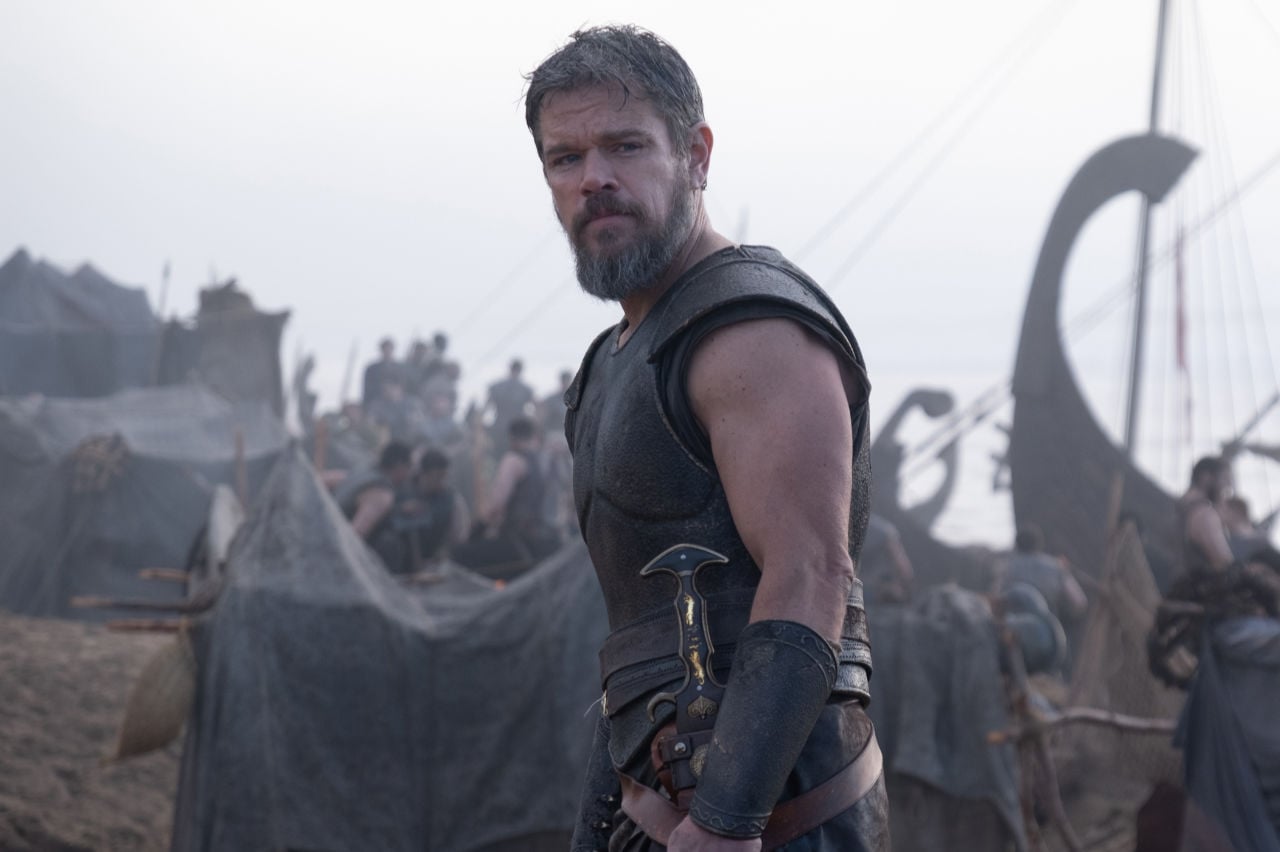
So, Nolan has all the clout in the world right now (I imagine Warner Bros. is kicking themselves for letting him slip out of their roster, $100 million budgets be damned). What does Nolan choose as his follow-up? The Odyssey, a film based on an almost three-thousand-year-old text – an epic fantasy saga that inspired… well, every story since.
It’s territory that isn’t unfamiliar to cinema, and filmmakers as unique and varied as Mario Bava, Wolfgang Petersen, and the Coen Brothers have explored its depths. But none have approached this material with the scope and ambition that Christopher Nolan does here.
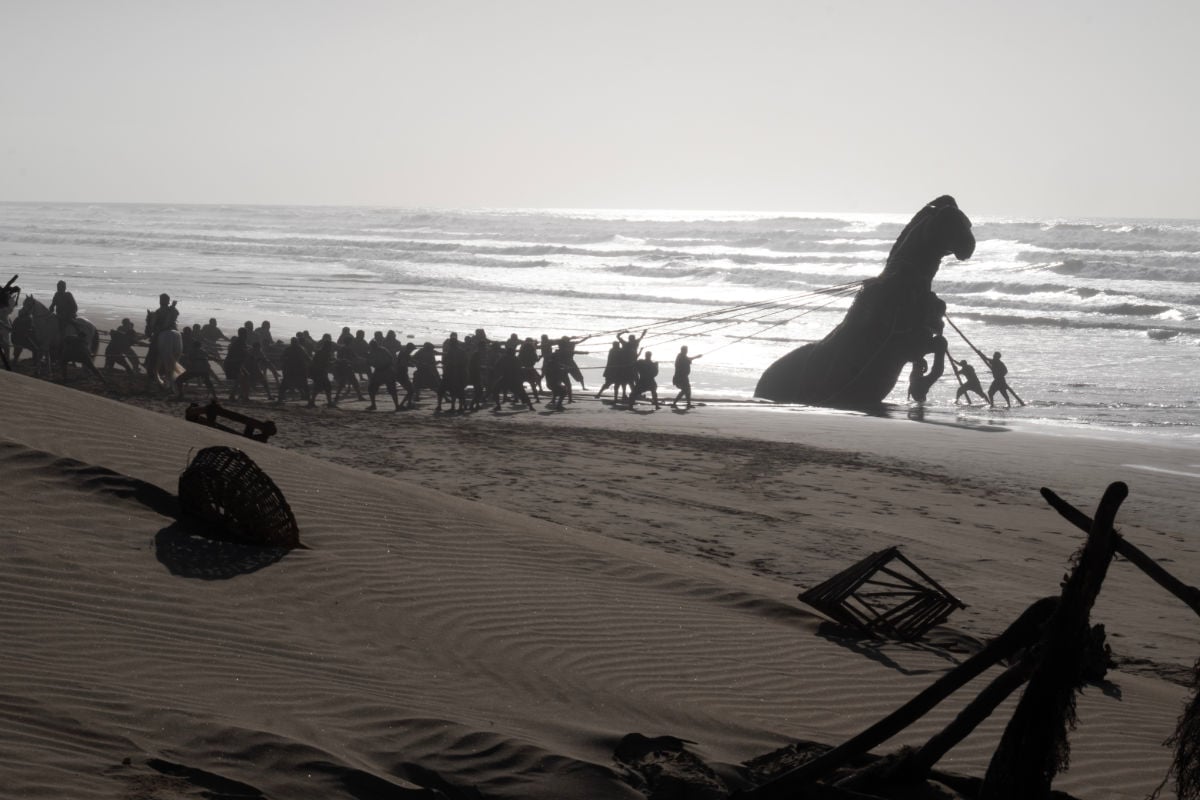
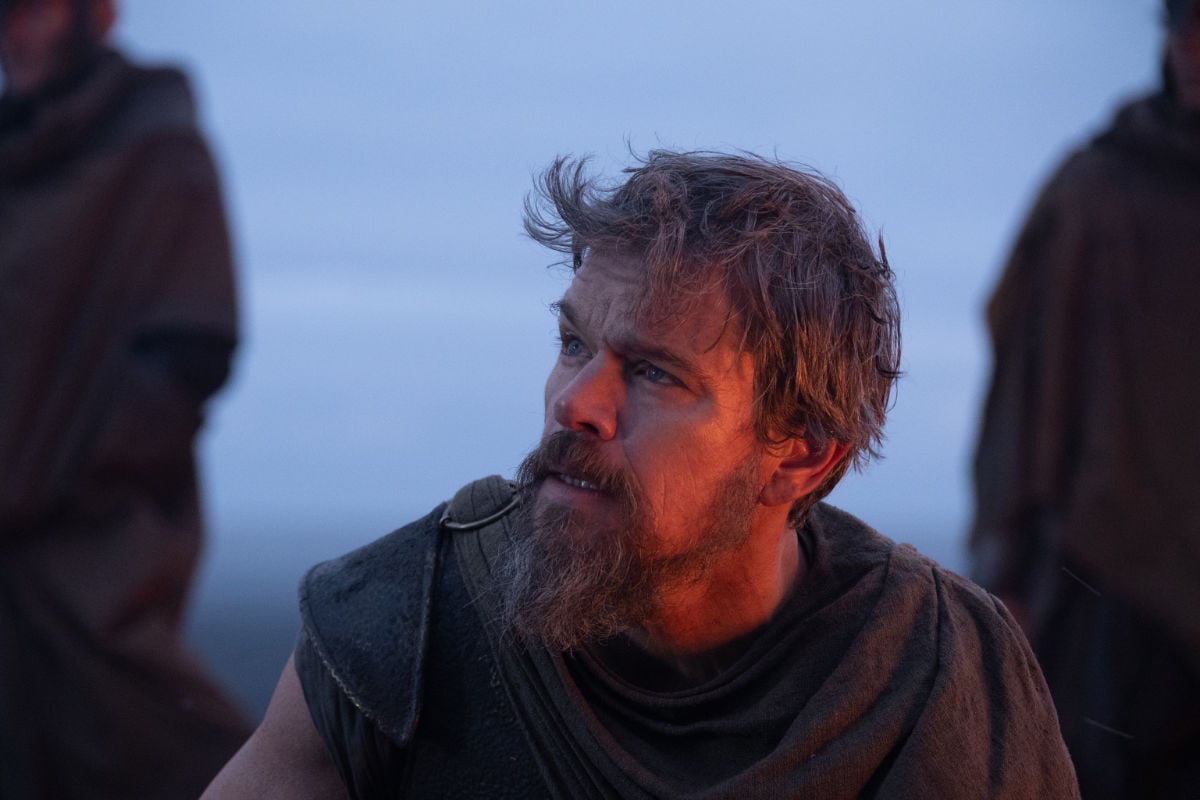
Odysseus (Matt Damon) and his men journey home after their victory in the Battle of Troy. It was Odysseus’s idea to infiltrate the city with a wooden horse, with his soldiers hiding inside, and after the war, all he wants is to see his wife, Penelope (Anne Hathaway), and his son, Telemachus (Tom Holland), again. But weeks stretch into months and years, and Odysseus and his men become hopelessly lost, forced to fight strange creatures, magical beings, and even the gods themselves. But Odysseus is haunted by Troy, by what he and his men did there, and within him is a deep ocean of regret and shame.
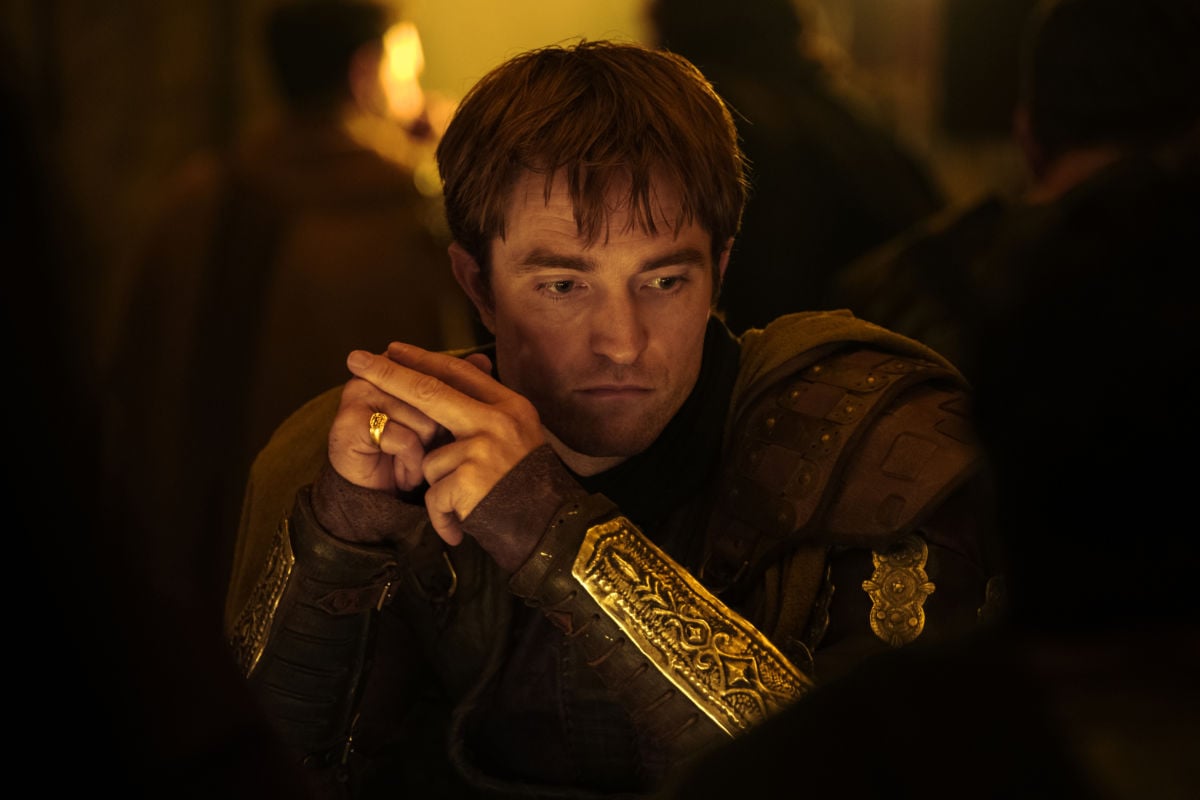
Meanwhile, at Ithaca, Penelope and Telemachus await Odysseus, but it is becoming increasingly likely that he will never return. The suitors wait to marry Penelope and take Odysseus’s place on the throne, especially young, ambitious Antinous (Robert Pattinson). Zeus’s Law – all guests must be treated as if they could be the gods themselves in disguise – keeps Penelope, Telemachus, and their housemaster-at-arms, Eumaeus (John Leguizamo), from harming or refusing the suitors’ food or lodging.
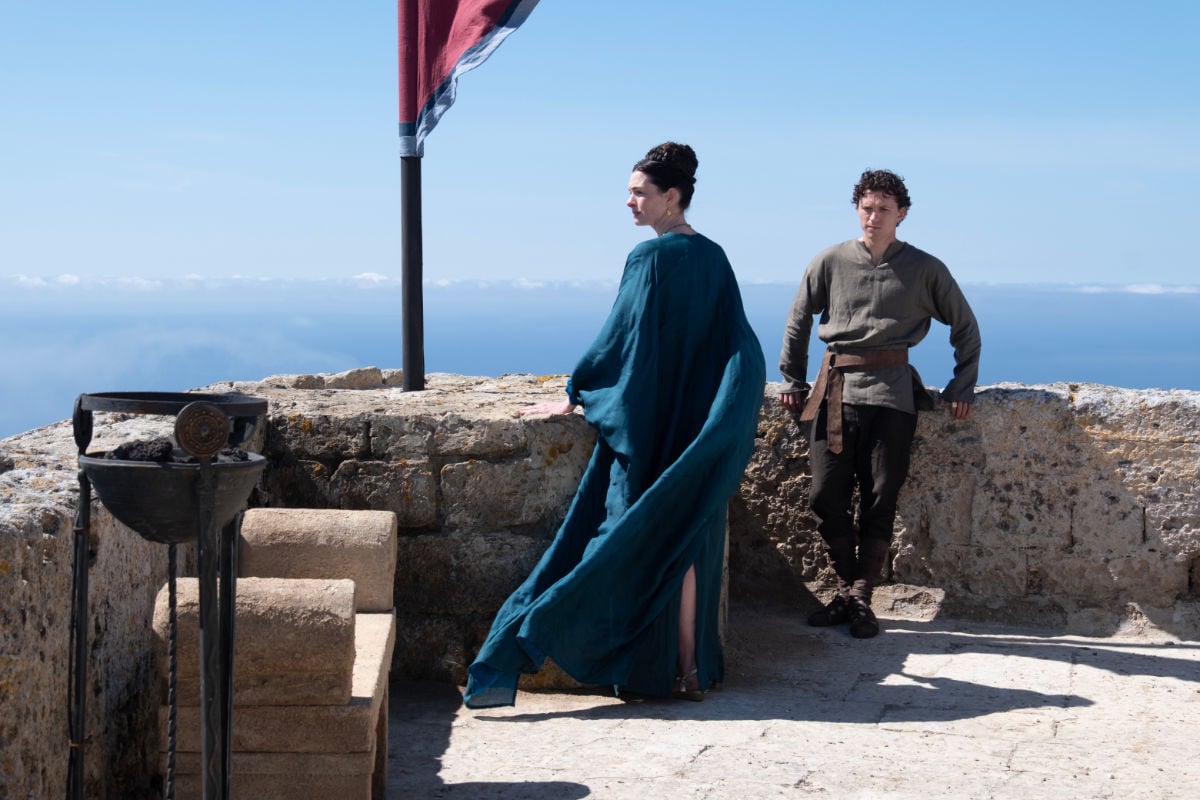
Penelope refuses to believe that Odysseus is gone forever, and Telemachus takes it upon himself to find his father in the vast Aegean Sea. But Telemachus is running out of time – Antinous’s machinations for the throne threaten his life and the lives of the people he loves.
This is a project close to Nolan’s heart; he’s long dreamt of adapting Homer’s epic poem but didn’t feel up to the task until now. Oppenheimer, for all its significance, is quite intimate, mostly taking place in small rooms and talking heads (until it doesn’t). This is the polar opposite of that – huge in scale, with a cast of hundreds, many of whom could lead a movie all on their own and have. Not only did Nolan direct, but he also wrote the script. Clearly, The Odyssey has been marinating in his mind for a long time. It’s easy to see why a Kubrick obsessive like Nolan would be attracted to this material.
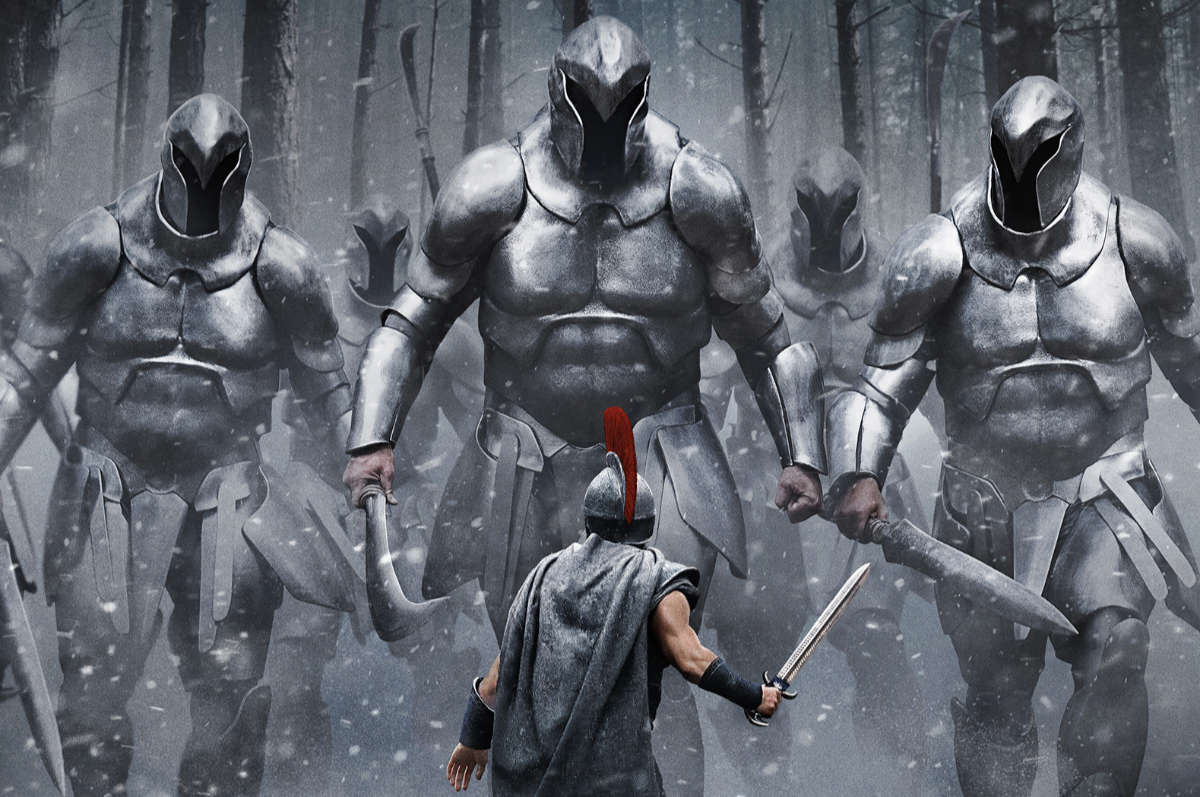
However – and here’s where trouble comes into paradise – Nolan, while creating many films of scale and vision, has always tried to find the real-world equivalent to his flights of fancy, using practical effects whenever possible, and reining in the use of computer effects. Most of the time, this makes for visually compelling storytelling, such as the atomic explosion in Oppenheimer, or the stunt work of the Batman films, or his extensive use of real-world locations in the dream world of Inception. They serve the stories and give the audience a sense of verisimilitude.
But The Odyssey has its feet firmly planted in the fantastical, full of gods and monsters. More importantly, the story insists that we take the folklore seriously. When Wolfgang Petersen made Troy, he felt it was important to separate the mythic from the reality, and many felt the movie suffered for it. To his credit, Nolan doesn’t do that. Nolan takes the mythology as seriously as he did the quantum physics of Oppenheimer. At no point does Nolan try to dodge, obfuscate, or deny this material.
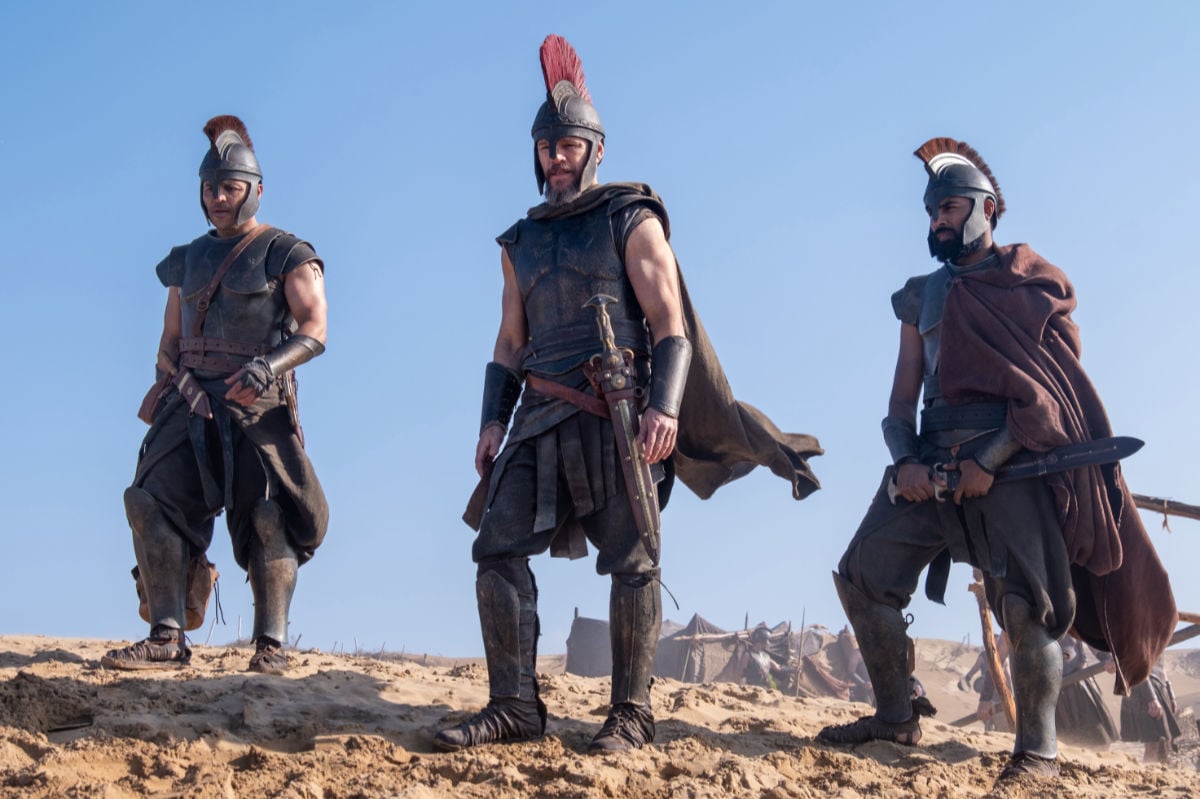
The way Nolan approaches the legends could be taken as a matter of perspective – is this the reality of the world, or the imagination of Odysseus? Nolan wants the audience to play with these ideas and images, but The Odyssey respects the tale. But Nolan keeps The Odyssey grounded when the movie should be taking flight. The Odyssey wants to give us old-school spectacle, and I admire that, but when too much is left to the imagination, it could leave the audience unsatisfied with the visuals they’re used to seeing from movies like this in the recent past.
Many of the creatures in The Odyssey have been done before, as in the films of Ray Harryhausen, so Nolan isn’t exactly reinventing the wheel. But there are moments that tease and suggest, when we could be seeing the grandeur and the strangeness on a truly epic scale. Some of the imagery works incredibly well – the battle against the Cyclops, for example, is played much like if the shark in Jaws worked most of the time instead of Spielberg having to shoot around it. That sequence is tremendous.
But others, such as the Sirens or Scylla, are only hinted at, and that can be frustrating, especially since Nolan seems to intend this as a fantasy story rather than some “historically accurate” amalgam of mythological events. He’s also never been shy about showing astonishing imagery before, which at times makes it feel like he’s pulling his punches here when he doesn’t have to.
This is in no way a dealbreaker, because everything else is done so incredibly well. Nolan’s intention may be to leave the audience wanting more, because I guarantee you I will see this film multiple times, as I’m sure many others will as well.
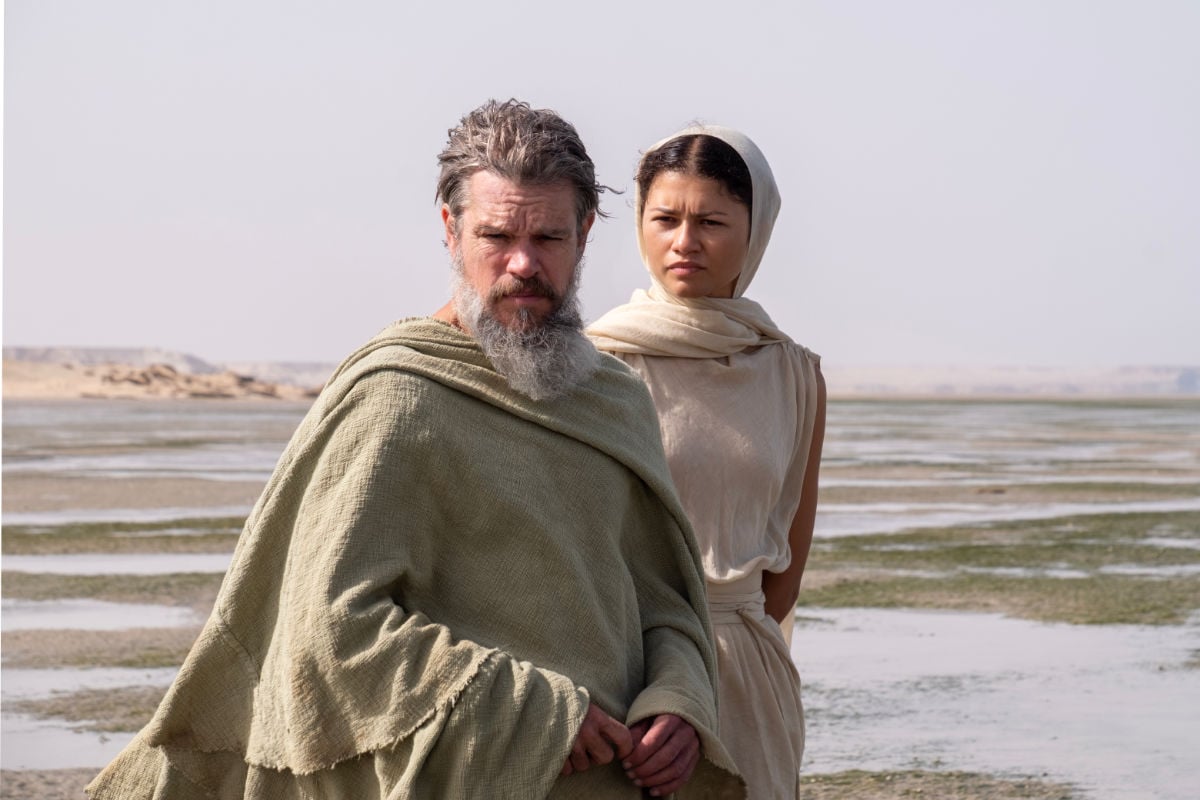
This may be career-best cinematography from Hoyte von Hoytema, and that is truly saying something. I can’t imagine seeing this in the theater any other way than in IMAX, and Hoytema fills every glorious inch of that screen with amazing imagery and camerawork. You may as well give him the Oscar right now. Every budgeted dollar is on screen. People who see this on their phones for the first time should be prosecuted to the fullest extent of the law. This is a theatrical experience like very few films have ever been.
Nolan’s never met a narrative he didn’t twist, turn, and rearrange to suit his thematic and storytelling needs, but The Odyssey is decidedly straightforward, using spoken tales from many characters to frame the story’s timeline. It proves very effective and exciting because these stories-within-stories shape how we react emotionally to the material.
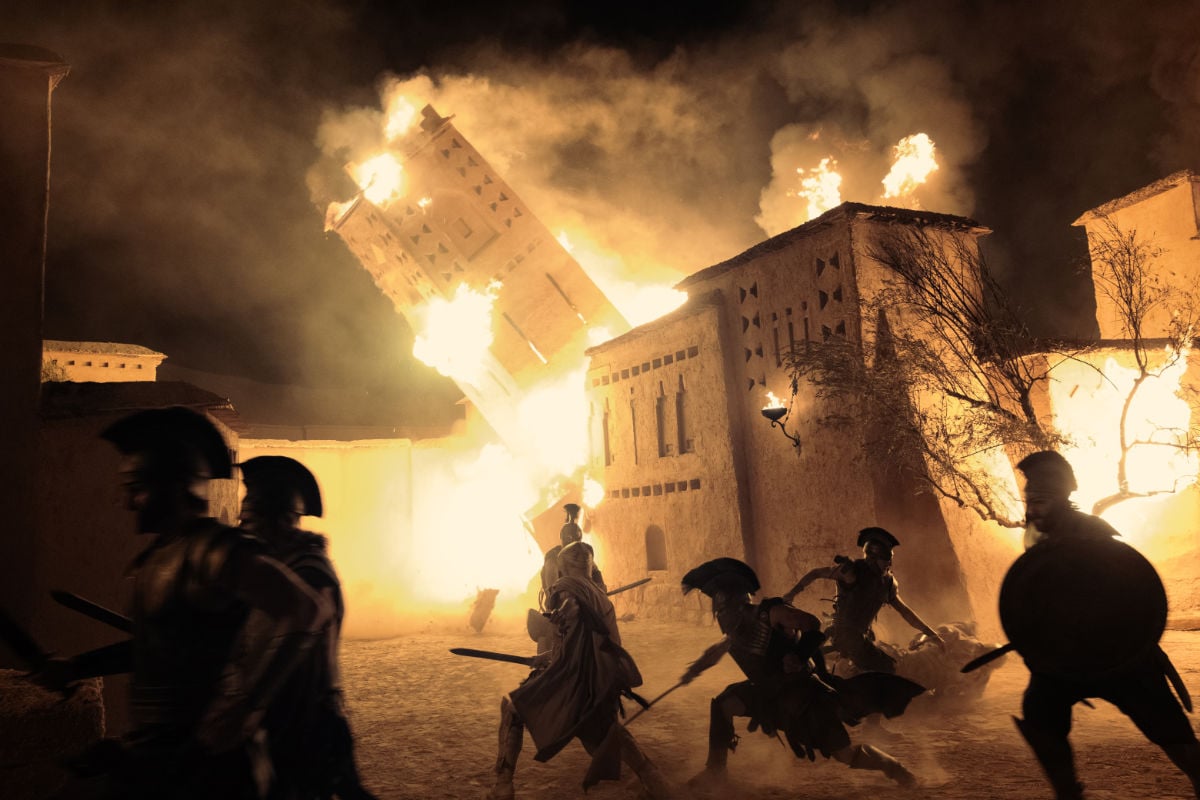
Nolan has a method to his madness, and the last hour of The Odyssey is as thrilling as anything Nolan has done. But more importantly, Nolan is setting up thematic pins to be knocked over in a very satisfying way. When The Odyssey shows its cards, and we, like Odysseus, realize the journey we have been on, it hits like a sledgehammer. Oppenheimer has changed Nolan’s perspective, and both that film and The Odyssey feel complementary in that way.
It also helps that every single actor shows up to make a feast out of this material. Matt Damon is incredible here. Looking back at the scope of his career, one realizes that Damon has embodied each of the characters he’s played with truth, earnestness, and genuine weight, but he’s never played the same role or rested on his laurels. It’s hard to say if this is the best performance of his career because it feels like he’s just getting started. His work anchors The Odyssey, and just his presence seems to lift everyone around him.
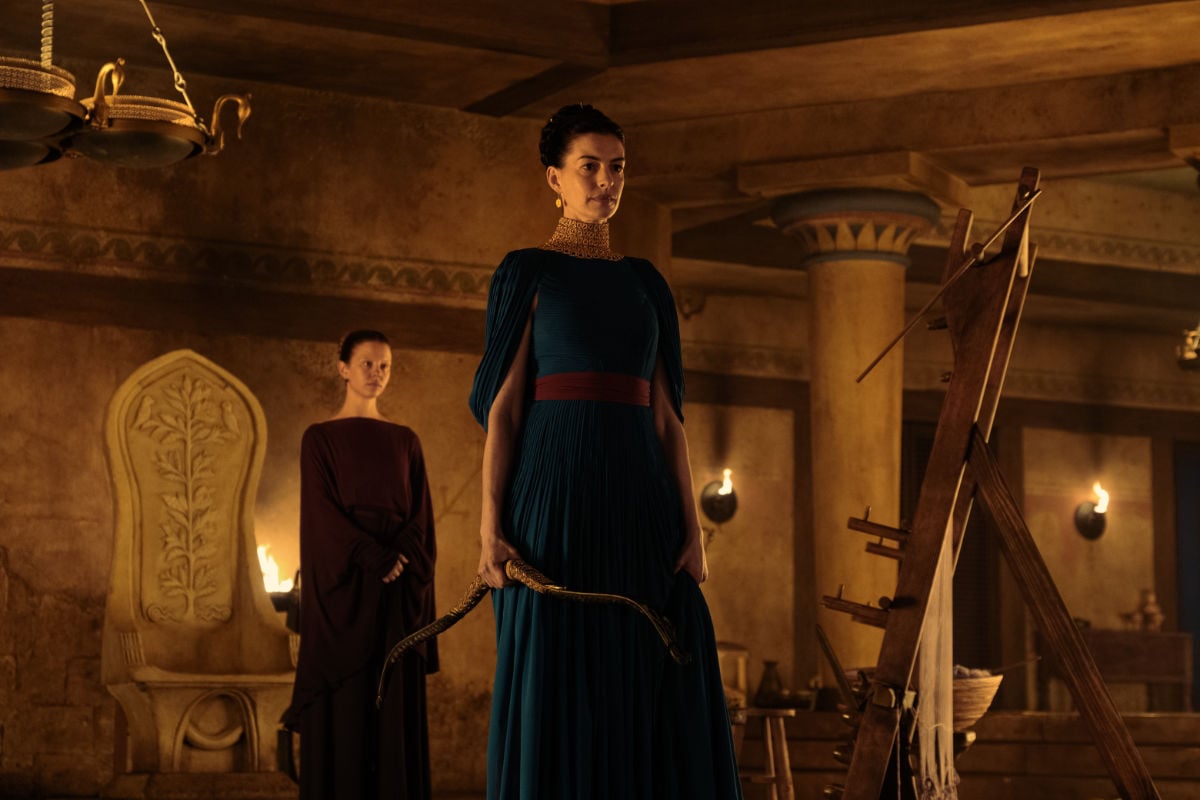
Anne Hathaway is also as great as she’s ever been; Penelope’s steadfast loyalty to Odysseus paints everything she does, but she’s also not so naïve as to deny the reality she’s facing, and Hathaway gives that her full power. Tom Holland fills Telemachus with sincerity and love for his family, but as he sees the world, Telemachus realizes the forces that align against him may be too overwhelming to handle.
Robert Pattinson’s Antinous is only missing a villainous mustache to twirl, and while his performance is somewhat of a caricature, once all the pieces are in play, you understand why he plays the role so broadly. This is an adventure story, after all, and it needs a villain we can hiss and boo at.
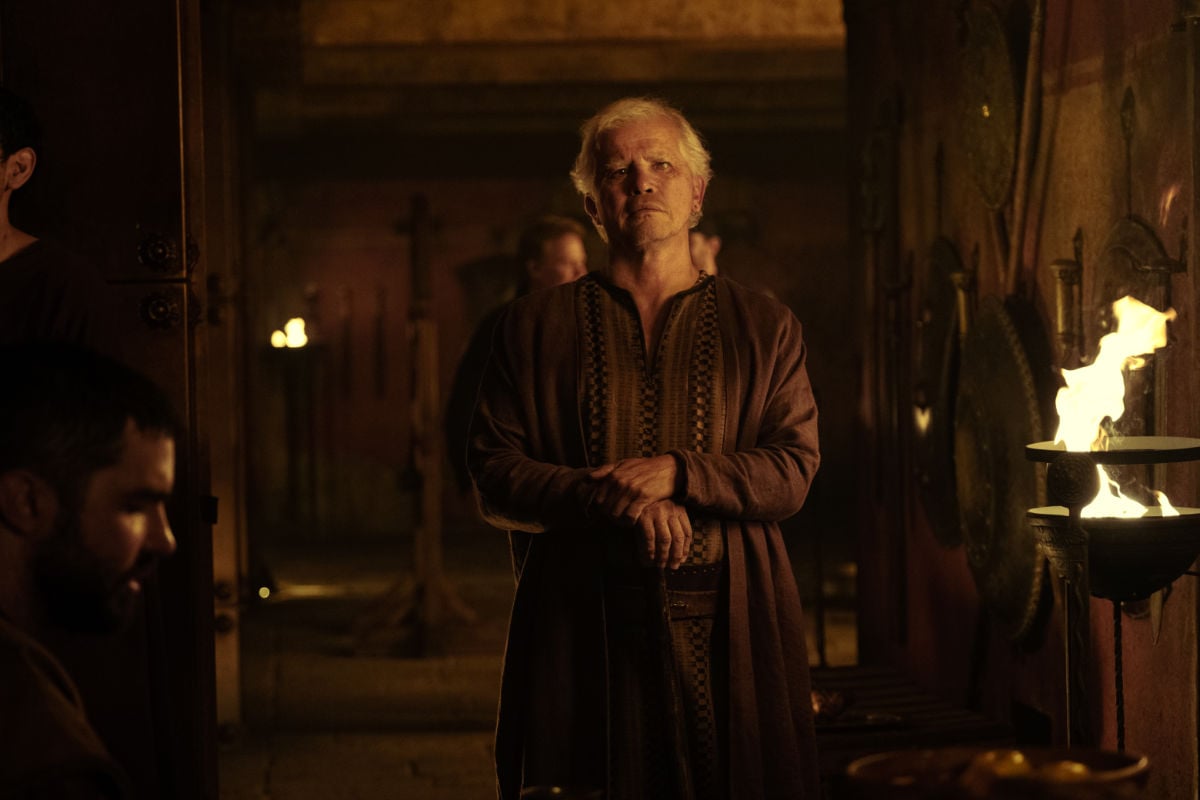
The supporting cast truly lifts its weight too. I was especially impressed with John Leguizamo’s Eumaeus – it’s been a while since he’s been given a role with this much meat on it, and he dives in unreservedly. Much of the controversy surrounding The Odyssey is based on the casting, but it’s obvious within moments what Nolan is doing, and to hell with those who claim ulterior political motives there.
Lupita Nyong’o, as both Helen of Troy and her twin sister Clytemnestra, fills both those characters with inner life and inner rage. She’s always been a tremendous actress, and her performance here is no different. Many recognizable faces, such as Jon Bernthal, Zendaya, and Charlize Theron, bring the most they can to their roles. Zendaya and Theron give both Athena and Calypso an ethereal, otherworldly presence, and while their roles are small, they remind us that there are no small parts.
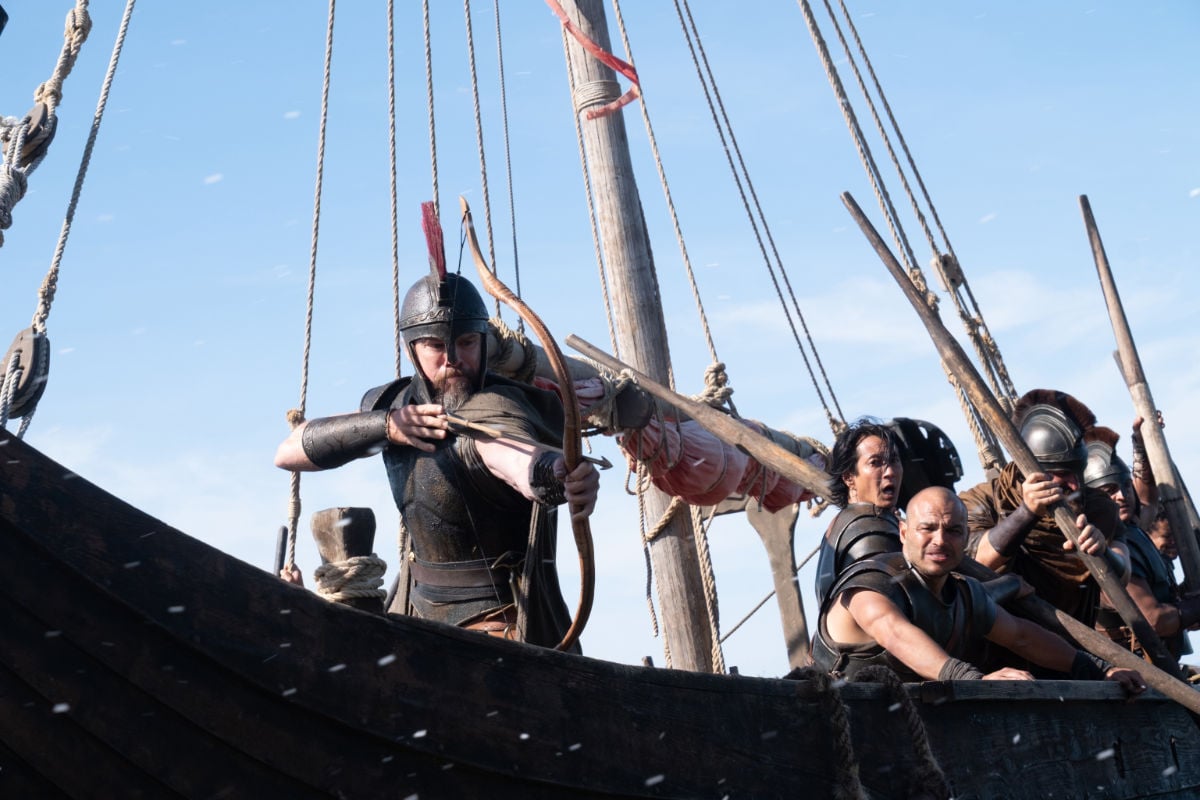
Special mention should be made here of Elliot Page’s Sinon, a soldier in Odysseus’s army, and what proves to be one of the most important roles of the story. He is excellent, and again, once we realize what Nolan is doing, gives The Odyssey a poignancy and an emotional anchor that we don’t really see coming until the film’s final act. I find it very moving how Nolan uses Page here. Every character is significant, and no one is tossed aside, no matter the size of the part.
I don’t think this is Christopher Nolan’s best film, but that’s semantics at this point – this is a towering achievement in cinema no matter how I rank it. I have a feeling that, with certain repeated viewings, my reservations about some of the decisions that Nolan has made will wash away like a ship circling Charybdis. This is a tremendous artistic triumph regardless of any misgivings on my part.
We want directors like Christopher Nolan swinging for the fences, and who can complain about the arc of the ball when it gets so consistently knocked out of the park? One thing is certain, however – do not miss seeing this in the theater. This isn’t about saving the theatrical experience or the communal nature of movies. Some movies are just so big, so awe-inspiring, that even when you look back on them, they fill the mind in a way that feels humbling.
This is one of them. The Odyssey truly defines the word epic. If you wait to see this at home, you are doing it wrong. Most summer movies are disposable entertainment, forgotten on the way home. The Odyssey is not that, and to deny yourself the experience of seeing this film, experiencing its impact and power on the biggest IMAX screen you can find, would be a mistake. In short (too late) – see The Odyssey immediately.
THE ODYSSEY REVIEW RATING: 9 OUT OF 10
Universal Pictures will release The Odyssey in theaters on Friday, July 17, 2026. The film has been rated R for violence and some language.