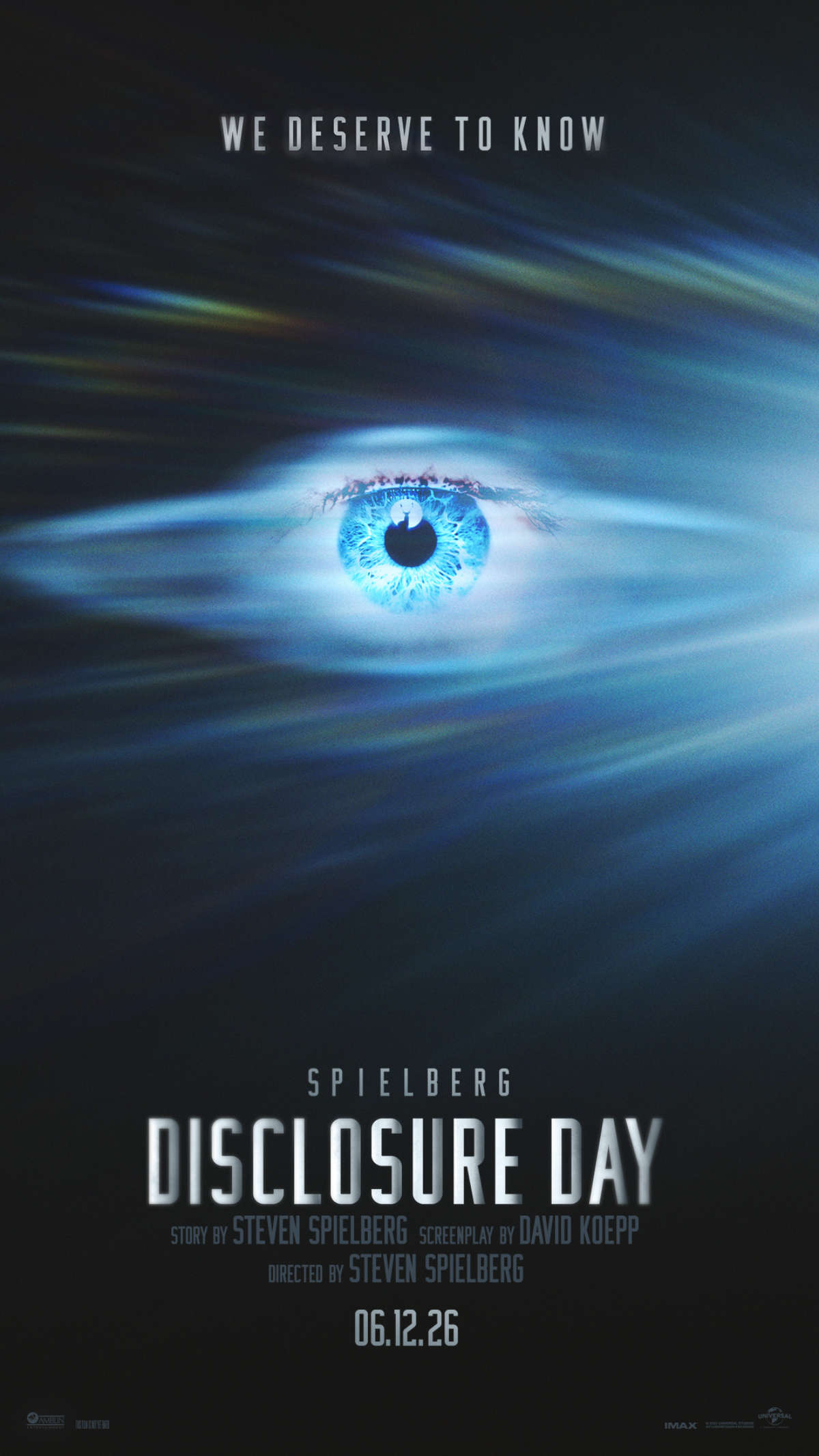
Disclosure Day Review
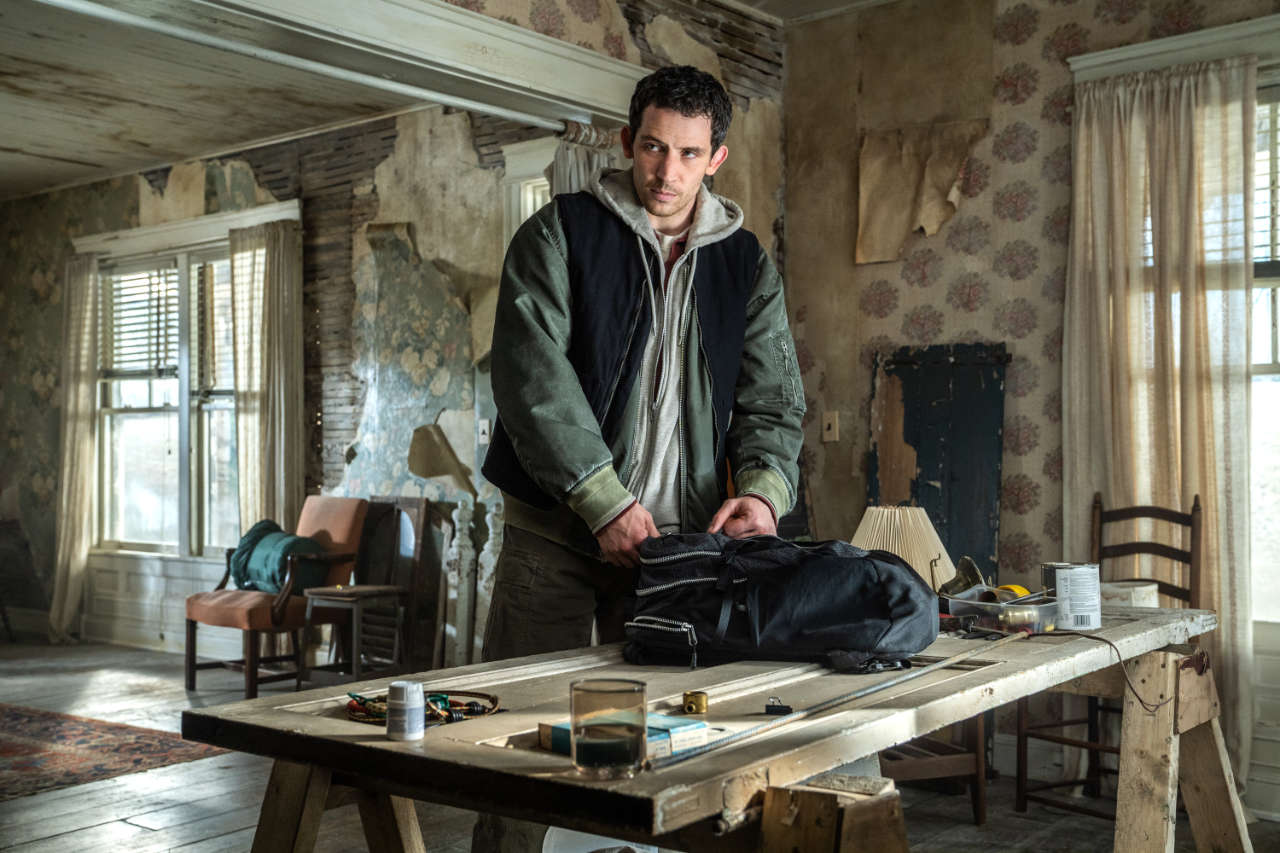
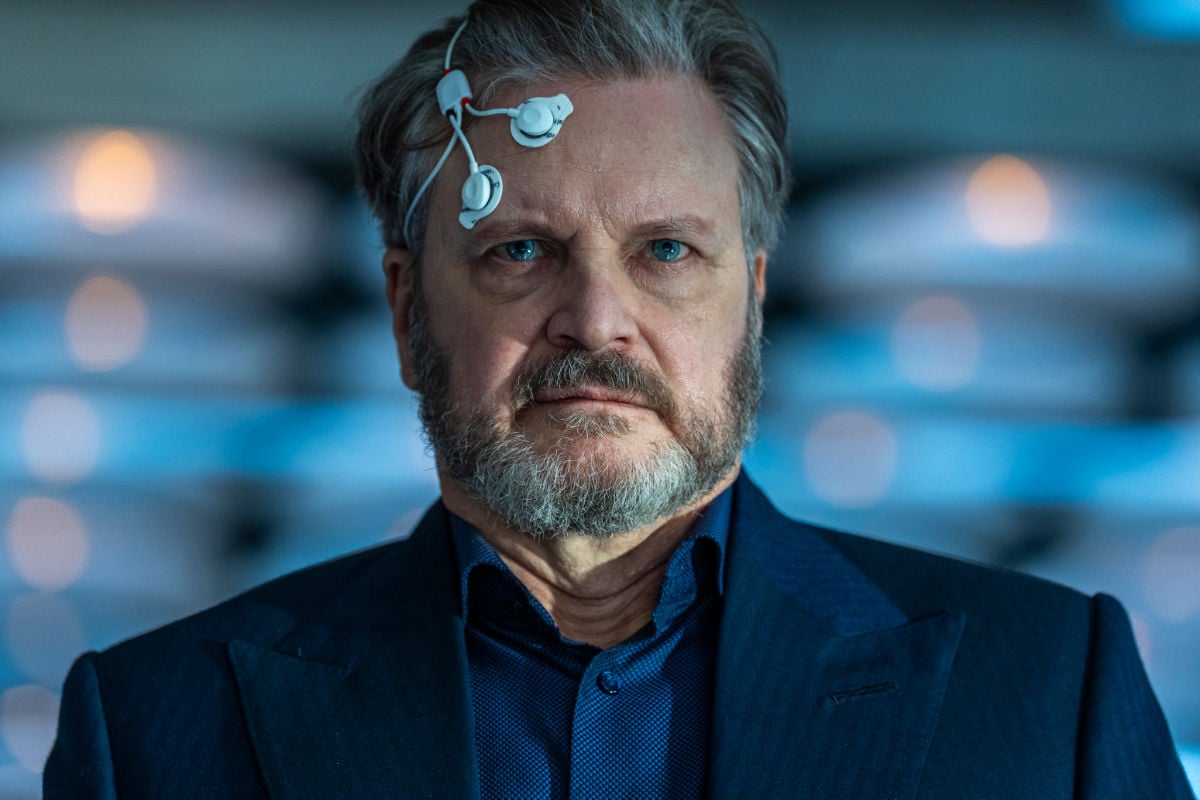
The opening shot of Steven Spielberg’s astounding Disclosure Day is as relevant as it is unexpected. We begin at a wrestling match, where Daniel Kellner (Josh O’Connor) is nervously waiting for contact with some agents from a secretive pseudo-government agency. Kellner has stolen some data from them, and the organization led by Noah Scanlon (Colin Firth) desperately wants it back.
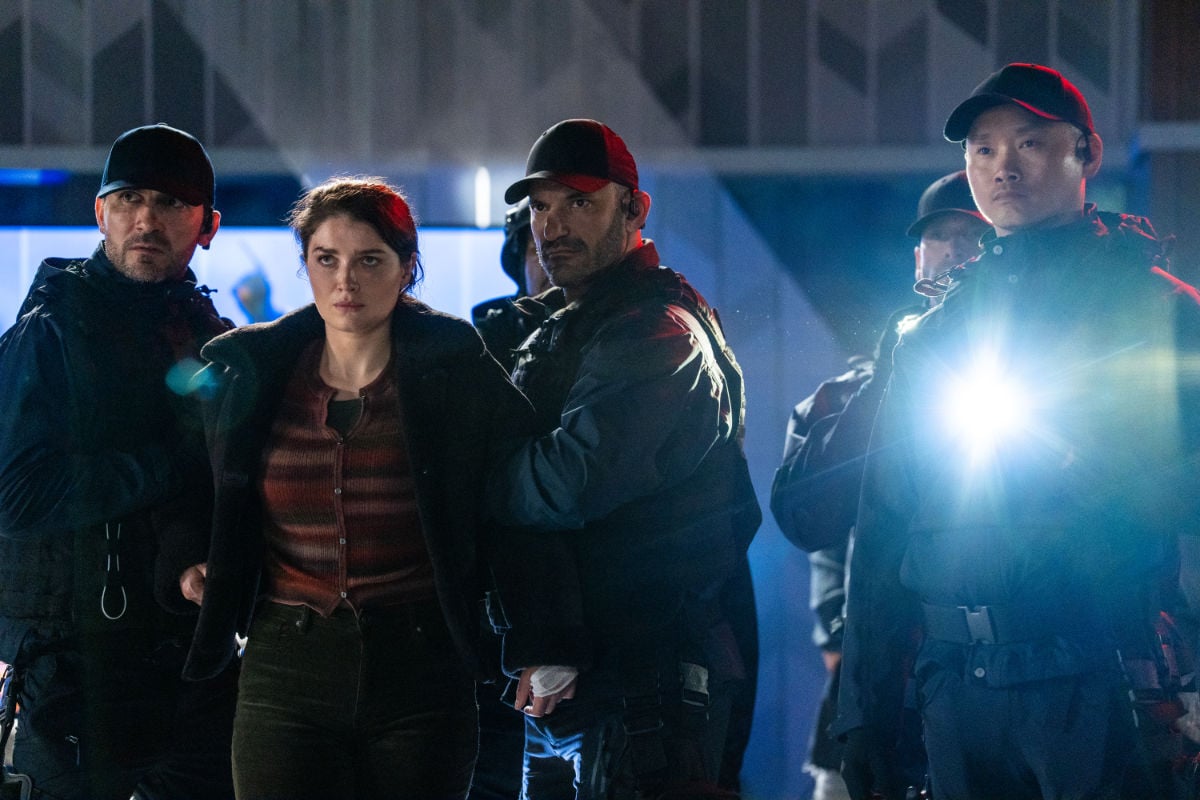
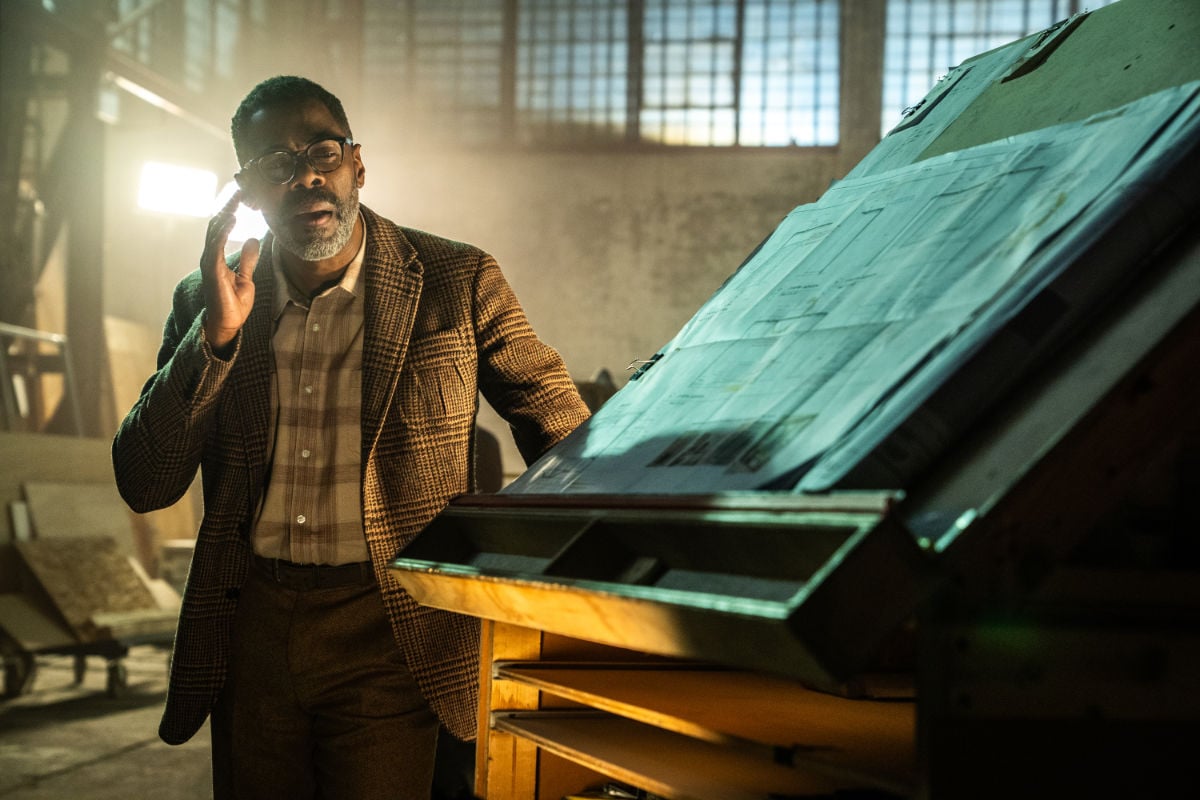
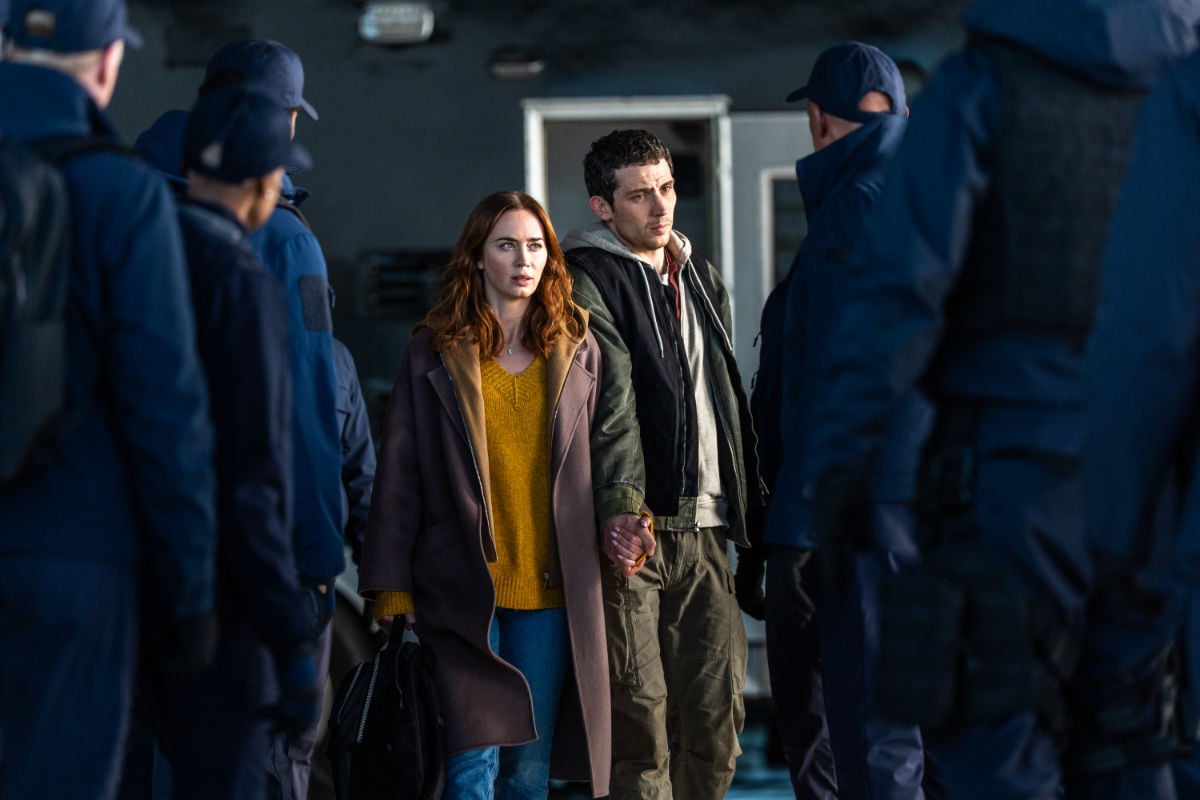
They can’t afford to raise too much attention, and with the world already on the brink of war, no one is going to be too concerned with Kellner or his missing girlfriend Jane (Eve Hewson). Kellner manages to escape them with Jane, but even guided by the enigmatic Hugo Wakefield (Colman Domingo), their options are slim.
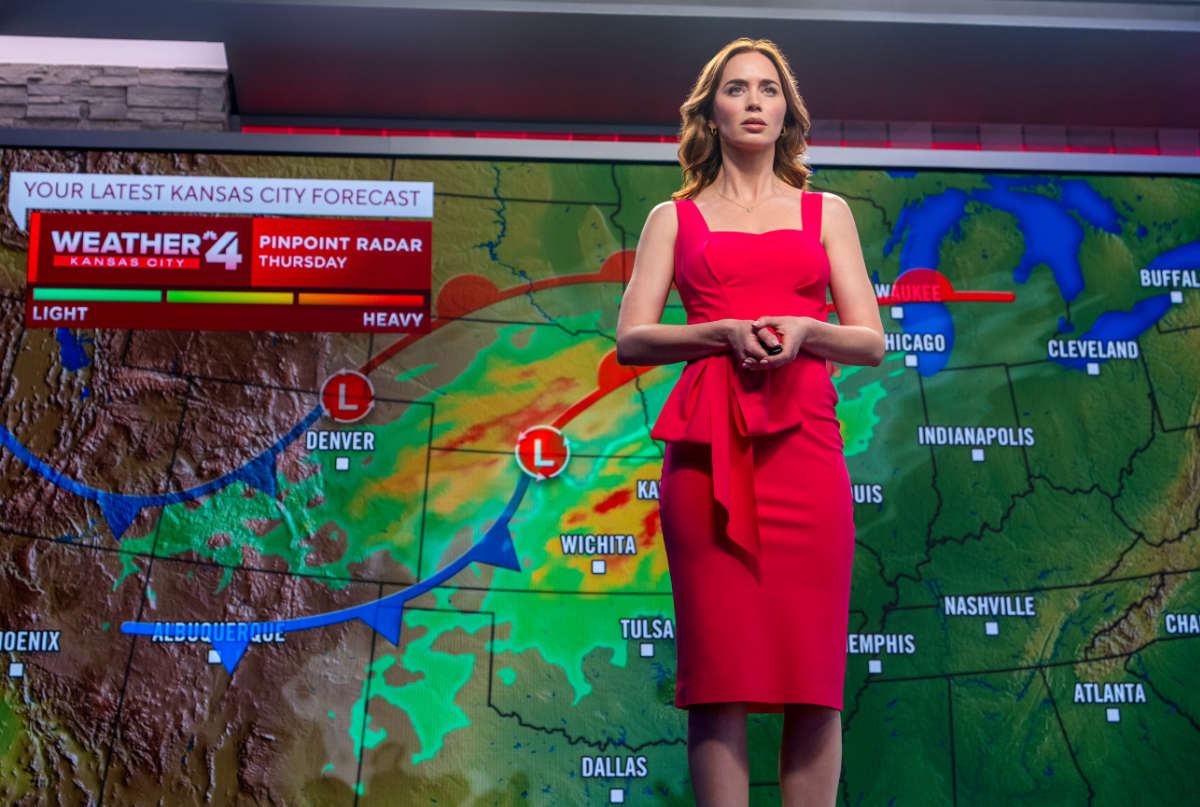
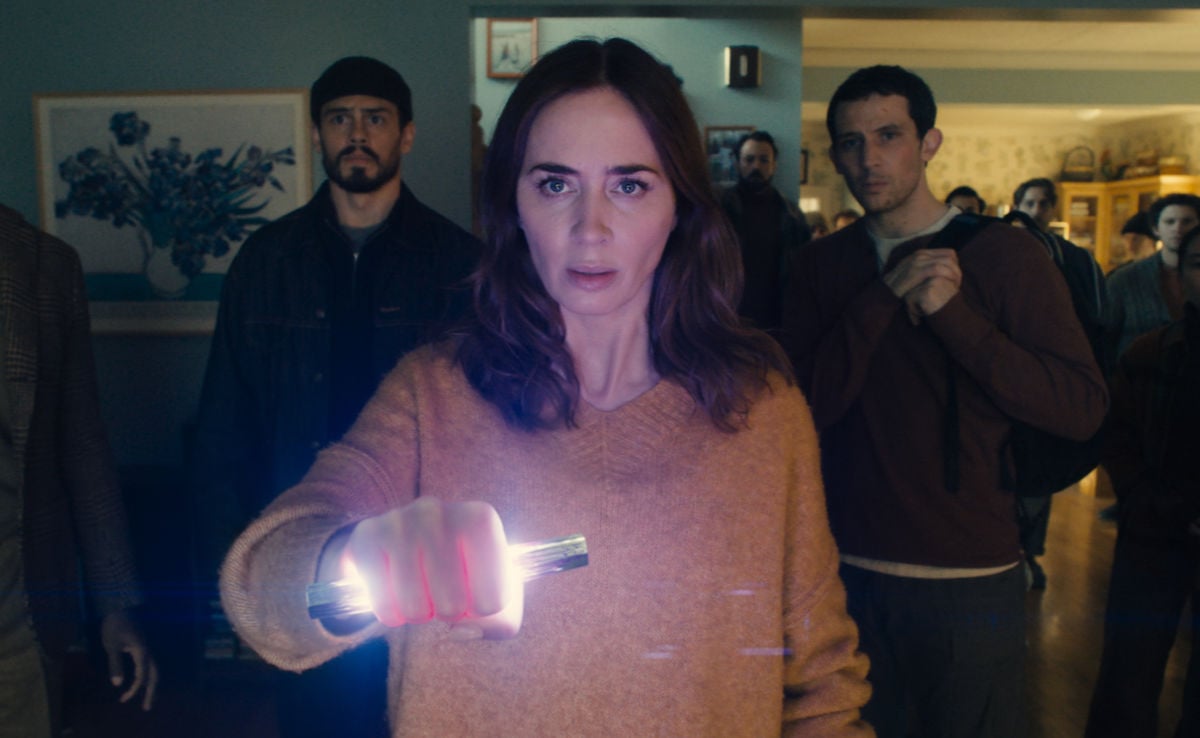
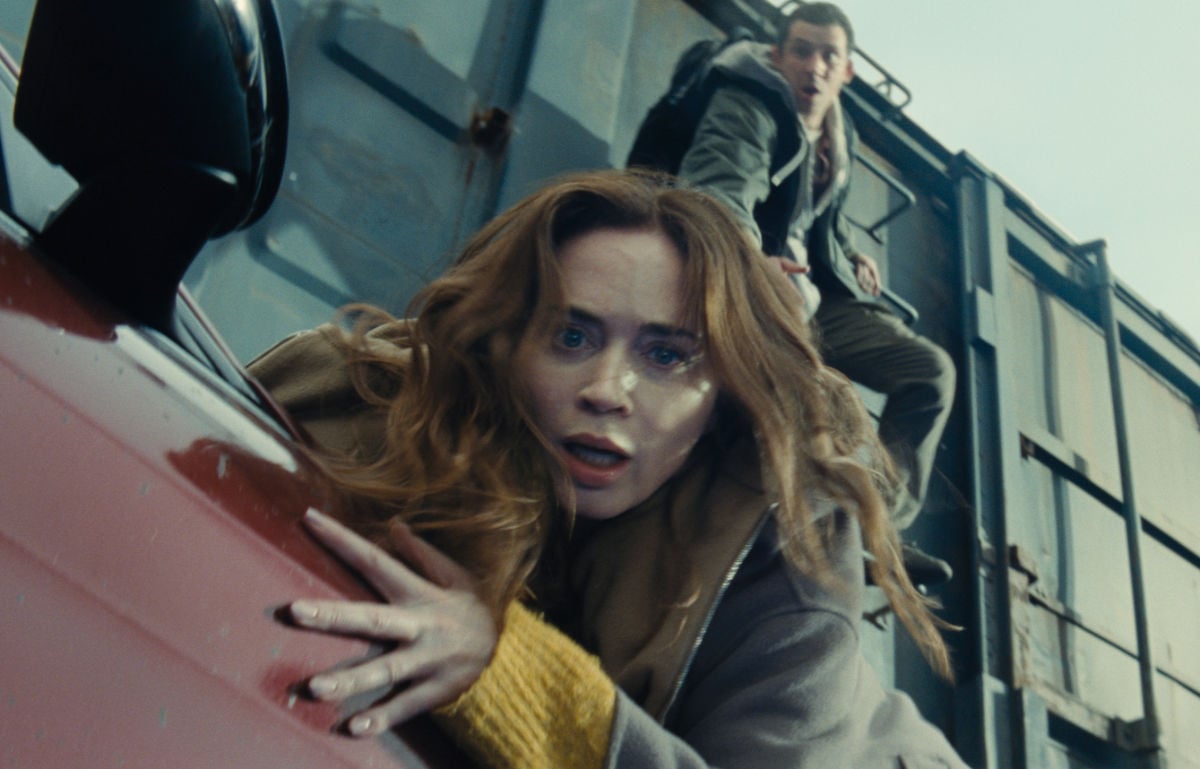
Halfway across the country, Margaret Fairchild (Emily Blunt) is beginning her workday at the local Kansas City news station. She seeks a stable existence, but something drives her to never be at rest, a factor that her boyfriend Jackson (Wyatt Russell) is having difficulty with. But an event in their home triggers something inside Margaret, and suddenly she can speak multiple languages and has a strange sense of knowledge about everyone she meets.
When she gets to the station, she suddenly begins speaking in a strange language, which also brings her to the attention of Scanlon and his crew. Margaret and Daniel are on a collision course, and the fate of the world is in the balance.
That’s all within the first half-hour of Disclosure Day, and while it’s best not to go too much further into the plot, it’s very obvious that this is another story of alien intelligence interacting with our own, and much like Close Encounters of the Third Kind and E.T. the Extra-Terrestrial, Spielberg is using these tropes and ideas to examine deeper truths.
Close Encounters was made by a much younger man than Spielberg is now, and while it is full of spectacle and big ideas to match, I don’t think the man who made that film could have made Disclosure Day at that time. Spielberg’s lived a lot since then, and his perspectives and ideals have changed. Close Encounters is still fascinating and still a great movie, but it is also a snapshot in time.
Same with E.T., as Spielberg began to conceive of the idea of having a family of his own and was still wrestling with his own parents’ divorce and his family’s breakup. He put all of that into E.T., which has a fierce sense of empathy and a childlike sense of wonder.
His War of the Worlds is something of an outlier here – while many of those themes find their way into that film, it’s also an adaptation of material that Spielberg has enjoyed for many years. Disclosure Day is the final piece of a trilogy with Close Encounters and E.T., and as a whole set, each of these films fulfills and informs the others.
Of the three, Disclosure Day is the most relevant to what is happening now. If Close Encounters is Spielberg introducing us to these ideas, and E.T. is the personal story of his own empathy and understanding, then Disclosure Day is those ideas painted on a large canvas, and much of the film feels urgent in a way the others do not. Some of the symbolism and the allegory is puddle-deep, but subtlety seems to have had its day here; again, the opening shot of Disclosure Day says it all.
It isn’t difficult to extrapolate the idea of aliens living among us to the world we are currently enduring, and in one conversation, two characters debate the value of empathy in a way that feels straight out of Sunday morning political pundits. For Spielberg, however, this isn’t a debate to be had. Empathy, science, and faith, together, are meant to enrich our lives, and not divide us, no matter how much other forces would like them to.
We believe it because Spielberg believes it so earnestly, and it’s that steadfast belief and his ability to make that belief known to us through cinema that has made his films so amazing and relatable. If Close Encounters assured us that we are not alone, Disclosure Day insists that we must not be alone. Not now, not like we have been.
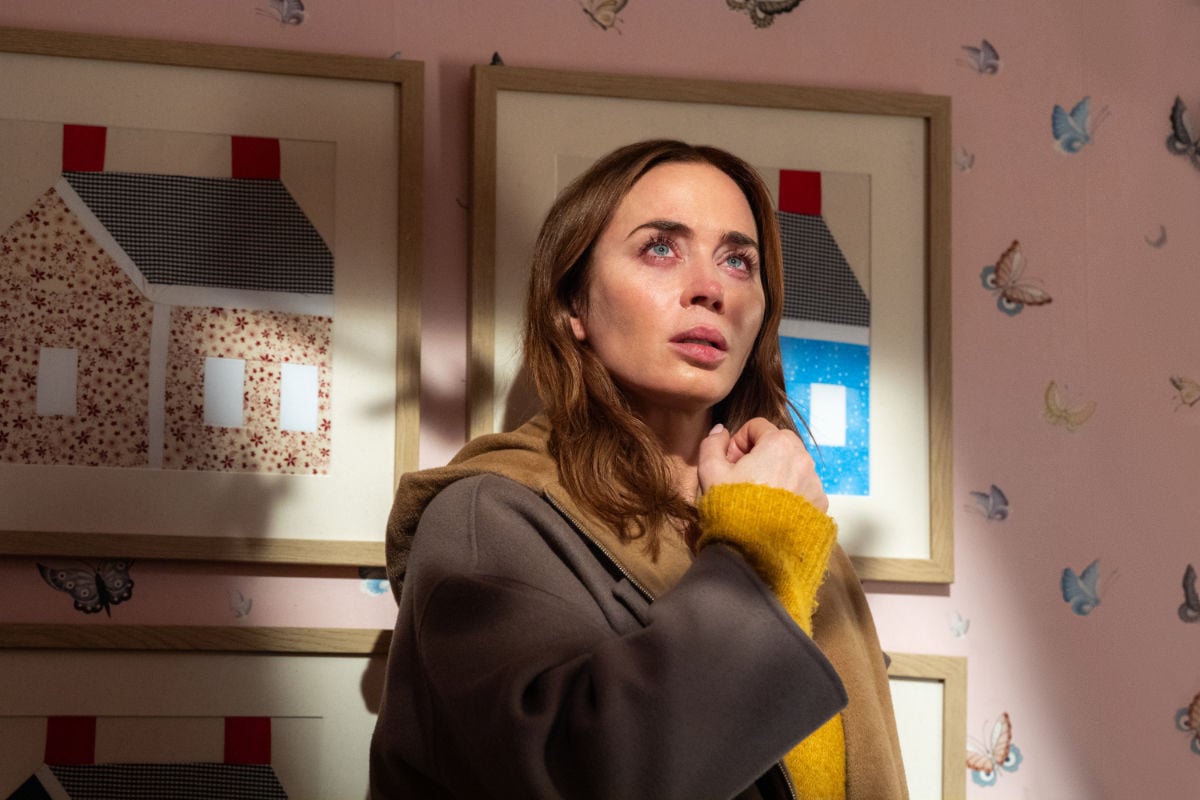
This is Emily Blunt’s greatest performance, as a woman who has been given a gift that she is ill-equipped to handle. Her power lies in seeing deep into other people’s hearts, and the goodness inside there, inside everyone, and Blunt has a way of disarming us and informing us at the same time. She’s funny, strong, and passionate, and the movie wouldn’t work without her.
Josh O’Connor‘s role isn’t as showy, but he’s the stability that allows us to accept much of what happens in the story. Eve Hewson’s Jane was once on track to become a nun until her faith was tested, and when the scope of what has been happening for decades is revealed to her, she questions how a higher being could exist amid the vastness of it all, and Hewson makes that conflict palpable.
Spielberg has always made his villains more complicated than simple mustache-twirlers, and Colin Firth’s Scanlon is no exception; he is confident that we would not be able to handle the possibility of life beyond our world, so he believes what he is doing is for the greater good, but he also isn’t above exploiting those forces, either. Colman Domingo’s Hugo is fiercely kind and empathetic, serving as the anchor throughout Margaret and Daniel’s journey.
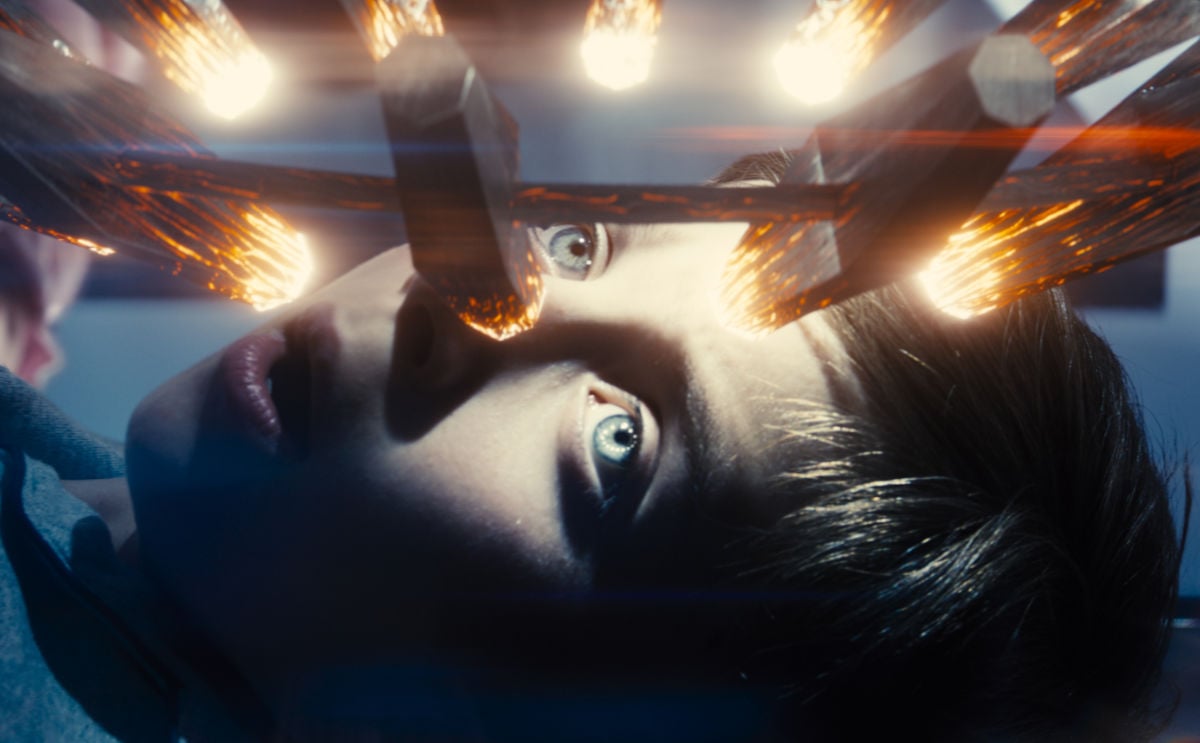
Spielberg has given us spectacle before. But Disclosure Day isn’t interested in repeating that kind of spectacle, and some audiences may find that frustrating. But there’s a purpose to it. This is human spectacle; Spielberg has always been about the drama of communication, and here he wants us to accept what we are seeing, using a very modern visual vocabulary to do so.
We’re all addicted to our phones, and our screens, and Spielberg is trying to give us that story and that spectacle at that level. He’s never really done that before, and while it feels jarring to those of us who are used to what he’s been doing in cinema for nearly 60 years, it shows just how versatile a director he is. He directs Disclosure Day like a much younger director would, but tempered with the wisdom of his age. He is not interested in showing us imagery without purpose or meaning.
Steven Spielberg, along with David Koepp’s fantastic script, has something to say. If you listen to certain political circles, the idea of the sin of empathy has taken root; the idea that to care for the people around you is a weakness that can be exploited or abused, and for some people, something that should be exploited and abused. But Steven Spielberg rejects this, utterly, rightfully, and completely.
Without empathy, we are not human. Without empathy, we cannot be. Even in the vastness of the universe, the connectivity of our empathy can reach across light-years. Disclosure Day begs us to pay attention to our world and each other, and the beauty and spectacle of it aren’t about vast special effects and a CGI lightshow. It’s the wonders and the expanse of the human heart, and how all our stories are a part of the tapestry of our Story.
I don’t know how else to say this but to say it – I admit, I’m Spielberg-biased. It’s even in my social bio. This man has brought as much fulfillment to my life as religion has to many others, and I’m not speaking in hyperbole when I say that. I’ve found that my own empathy and worldview have been shaped by his films. He’s a filmmaker who has transported us, shown us adventure, and the love of friendship, and family, and history, and empathy.
There’s that word again. Empathy. It is the true soul of Disclosure Day, and while some may reject its message, it’s empathy that keeps us from the stick, the bullet, the missile, the destruction. It’s empathy that makes us listen, and it is empathy that connects and brings us closer. I’m certain that Spielberg believes in life on other worlds, that they have visited us before, and that they will again.
Even in the context of a two-and-a-half-hour movie, his faith in these ideas is strong and earnest. He believes it, so we believe it. And I’d much rather believe in the world that Spielberg sees than in the flat, cynical world that too many others see. If there’s nothing up there, then there’s no reason to look up. For Steven Spielberg, and myself, that is unacceptable. Because when we look up, we look through. We see beyond, and not just ourselves, but everyone around us. That’s the world I want to live in.
You know how I know we are not alone? Steven Spielberg showed me. Thank you for my life.
DISCLOSURE DAY REVIEW RATING: 10 OUT OF 10
Universal Pictures will release Disclosure Day in theaters on Friday, June 12, 2026. The film has been rated PG-13 for action/violence, some bloody images, and strong language.